

Fear demands immediate action. Wisdom pauses to pray, consider, and seek God’s direction. The difference may not be obvious in the moment, but over time it can lead us down very different paths.
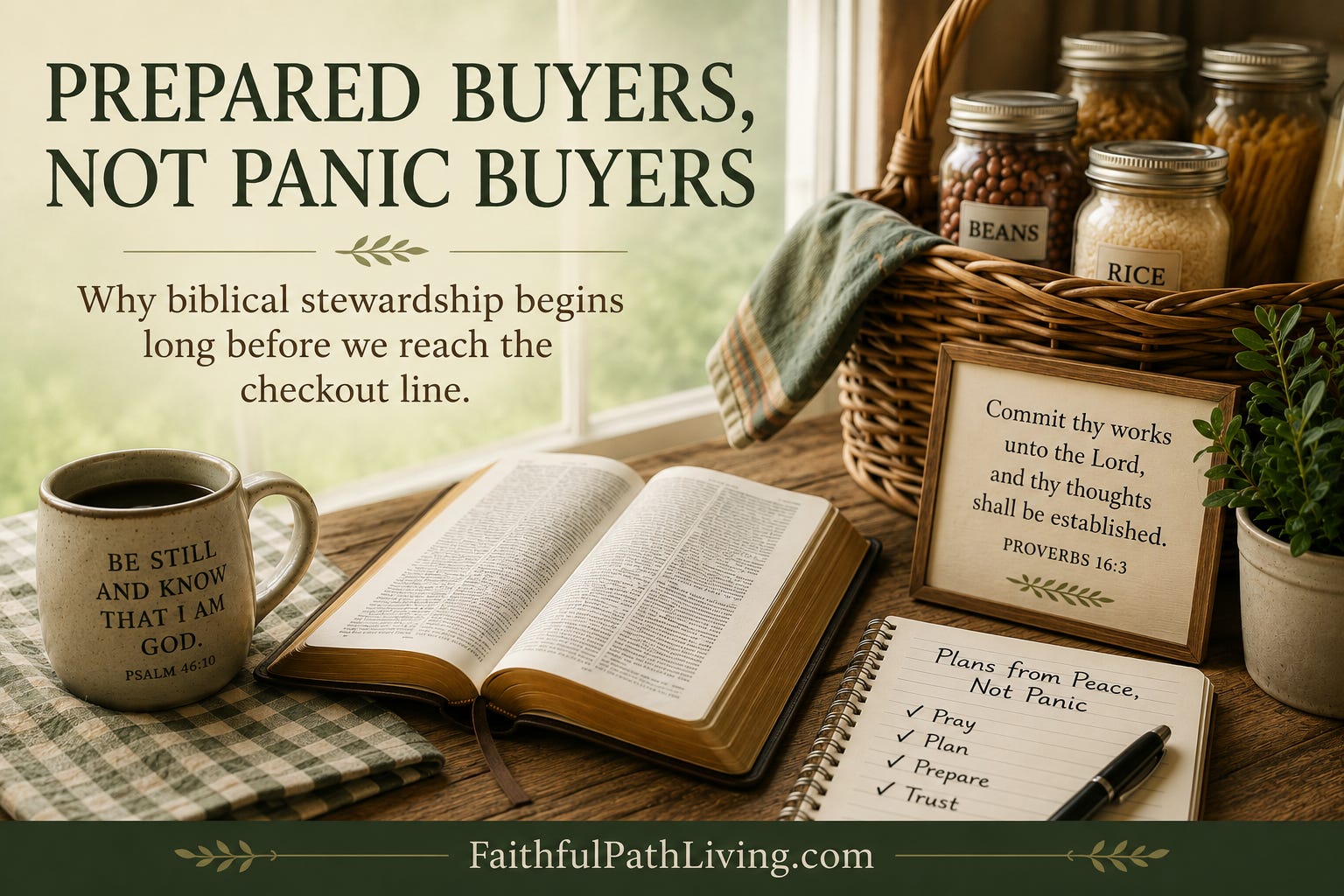
A few years ago, if I noticed a sale on something we regularly used, I might buy a little extra and move on. Today, I still do that, but my thinking behind it has changed. The events of 2020 taught me that there is a significant difference between buying from wisdom and buying from fear.
At first glance, those two motivations can look remarkably similar. Both people may purchase the same item. Both may be preparing for future needs. Yet one is acting from a position of peace while the other is reacting from a position of anxiety.
One of the things I noticed during 2020 was how quickly fear changed the way people made decisions. Items that had sat quietly on store shelves for years suddenly disappeared. People who had never given much thought to pantry supplies were suddenly filling carts. Others were driving from store to store searching for basic necessities. In many cases, it wasn’t the shortage itself that created the problem. It was the realization that everyone was trying to solve the same problem at the same time.
Looking back, I understand those reactions. Uncertainty has a way of making us feel vulnerable. When we don’t know what is coming next, our natural tendency is to seek security wherever we can find it. Sometimes that security takes the form of information. Sometimes it takes the form of supplies. Sometimes it simply takes the form of feeling like we are doing something.
The challenge for believers is that fear and wisdom often lead us in very different directions.
Fear urges us to act immediately. Wisdom encourages us to pause, pray, and consider. Fear focuses our attention on what might happen tomorrow. Wisdom helps us steward what God has placed in front of us today.
That distinction has become increasingly important to me over the last few years because I have realized that preparedness, by itself, is not necessarily a biblical concept. Stewardship is. The question is not whether we should prepare. The question is how and why we prepare.
🌿 The Difference Between Fear and Foresight
Scripture consistently praises foresight while warning against fear.
Proverbs 22:3 tells us, “A prudent man foreseeth the evil, and hideth himself: but the simple pass on, and are punished.” Notice that the prudent person is paying attention. He sees potential difficulties and responds accordingly. He is neither ignoring reality nor becoming consumed by it.
I think many Christians struggle with this balance. On one side are those who dismiss preparation altogether, assuming that faith means never planning ahead. On the other side are those who become so focused on preparation that it begins to consume their thoughts and dominate their lives.
Neither reflects the biblical pattern.
When Joseph interpreted Pharaoh’s dream in Genesis 41, he recognized that years of abundance would be followed by years of famine. His response was not panic. It was not urgency. It was not fear. It was thoughtful planning. During the years of plenty, grain was gathered and stored so that when hardship arrived, there would be provision available.
What strikes me most about Joseph’s story is that the preparation happened long before it was needed. The famine did not create his preparation. It revealed it.
I believe much of biblical stewardship works the same way.
🌿 Why Peace Leads to Better Decisions
One lesson I have learned repeatedly is that some of my poorest decisions have been made when I felt pressured, rushed, or fearful.
Whether the decision involved finances, health, work, or purchasing something for our home, urgency rarely improved my judgment. When emotions take over, it becomes difficult to evaluate options carefully. We stop asking thoughtful questions. We become focused on solving the immediate problem.
That is one reason I appreciate Paul’s words in Philippians 4:6-7.
“Be careful for nothing; but in every thing by prayer and supplication with thanksgiving let your requests be made known unto God.”
Paul was not writing to people living in ideal circumstances. Yet he reminds them that peace is available through prayer and dependence upon God.
The older I get, the more I realize that peace is not simply a comforting feeling. It is a protection. It guards our hearts and our minds. It creates space for wisdom to operate.
A person who is at peace can compare options, seek counsel, pray through decisions, and act deliberately. A person consumed by fear often feels compelled to act immediately.
That is why I believe prepared buyers and panic buyers approach life very differently. One is driven by urgency. The other is guided by wisdom.
🌿 Stewardship Requires Awareness
Another principle that Scripture emphasizes is awareness.
In Proverbs 27:23, Solomon writes, “Be thou diligent to know the state of thy flocks, and look well to thy herds.”
Most of us do not have flocks or herds today, but the principle remains. Wise stewardship requires understanding what God has entrusted to us.
Before we purchase more, it is wise to know what we already have.
Before we worry about future needs, it is wise to evaluate current resources.
Before we assume we lack something, it is wise to take inventory.
Jesus expressed a similar idea in Luke 14 when He spoke about counting the cost before building a tower. Planning is not a lack of faith. Taking inventory is not a lack of faith. Thinking ahead is not a lack of faith.
These actions become acts of stewardship when they are motivated by wisdom rather than fear.
🌿 Our Security Has Never Been the Pantry
As I have reflected on preparedness over the past few years, I have become increasingly convinced that the greatest danger is not being unprepared.
The greatest danger is placing our trust in preparation itself.
A full pantry can be a blessing. A garden can be a blessing. A freezer stocked with food can be a blessing. Practical skills can be a blessing.
But none of those things are ultimately the source of our security.
Jesus reminds us in Matthew 6 not to worry about tomorrow. He points us instead to the birds of the air and the lilies of the field as evidence of God’s care and provision. The lesson is not that we should stop working, planning, or stewarding resources. The lesson is that our confidence belongs in God rather than the resources themselves.
That distinction changes everything. When we trust in our preparation, we will never feel fully prepared. When we trust in God’s provision, preparation becomes an act of stewardship rather than a search for security.
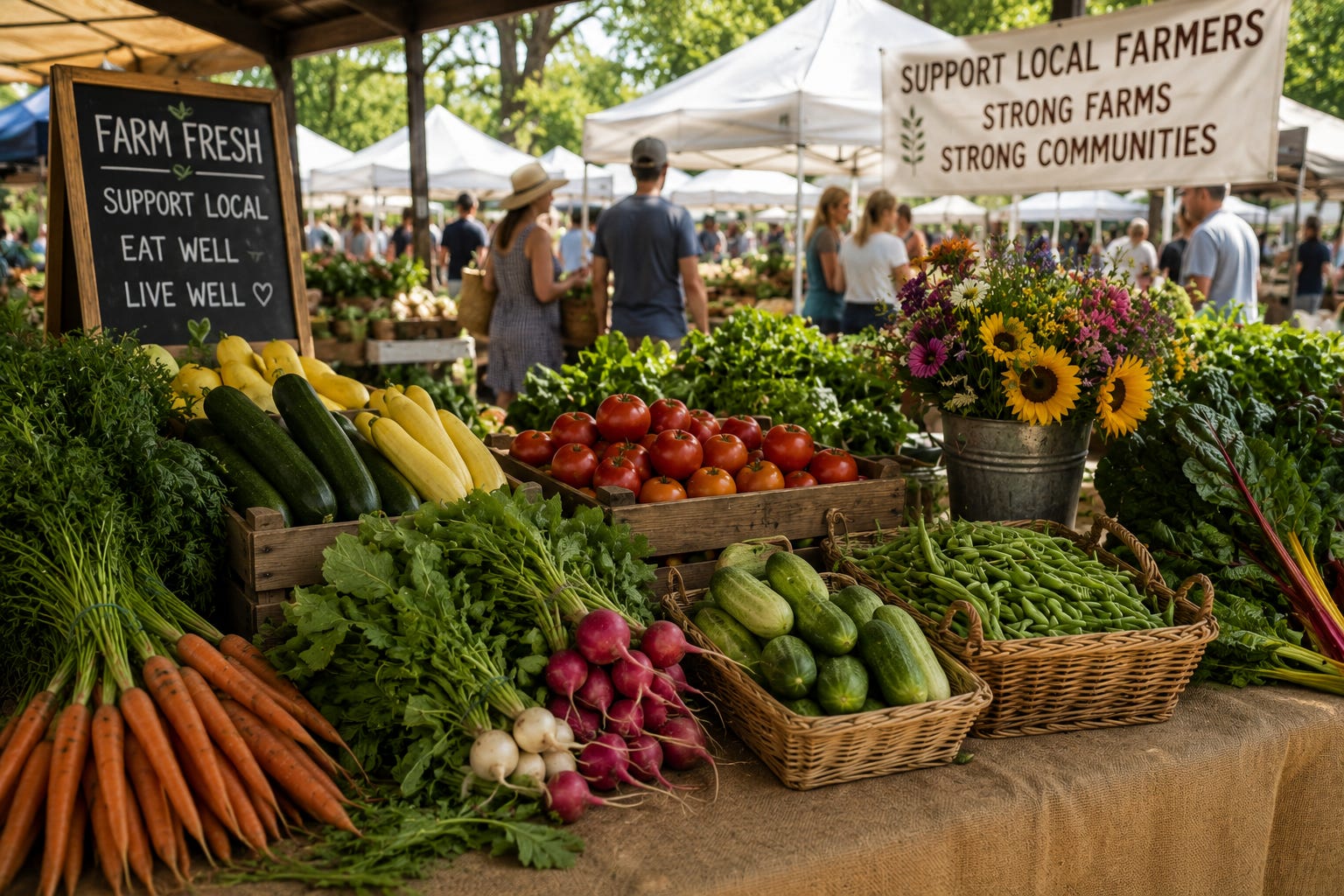
Another lesson Scripture teaches is that preparation was never intended to be a solitary pursuit. God designed His people to function as a body, with each member contributing different gifts and strengths. Some grow food. Some preserve it. Some teach. Some build. Some encourage. Some lead. Preparedness becomes healthier when it is rooted in community rather than isolation.
One reason I appreciate relationships with local farmers, gardeners, and others who possess different skills is that they remind me that God’s provision often arrives through people. We are strengthened when we learn from one another and support one another.
🌿 Preparing Hearts Before Preparing Homes
One reason I wanted to write this series is because I believe Christians need a healthier understanding of preparedness.
The goal is not self-sufficiency, stockpiling, or fear. The goal is faithful stewardship rooted in trust.
Before we prepare our homes, we should prepare our hearts. Before we fill our pantry shelves, we should fill our minds with God’s Word. Before we focus on future uncertainties, we should strengthen our relationship with the One who already knows what tomorrow holds.
Proverbs 3:5-6 reminds us:
“Trust in the Lord with all thine heart; and lean not unto thine own understanding. In all thy ways acknowledge him, and he shall direct thy paths.”
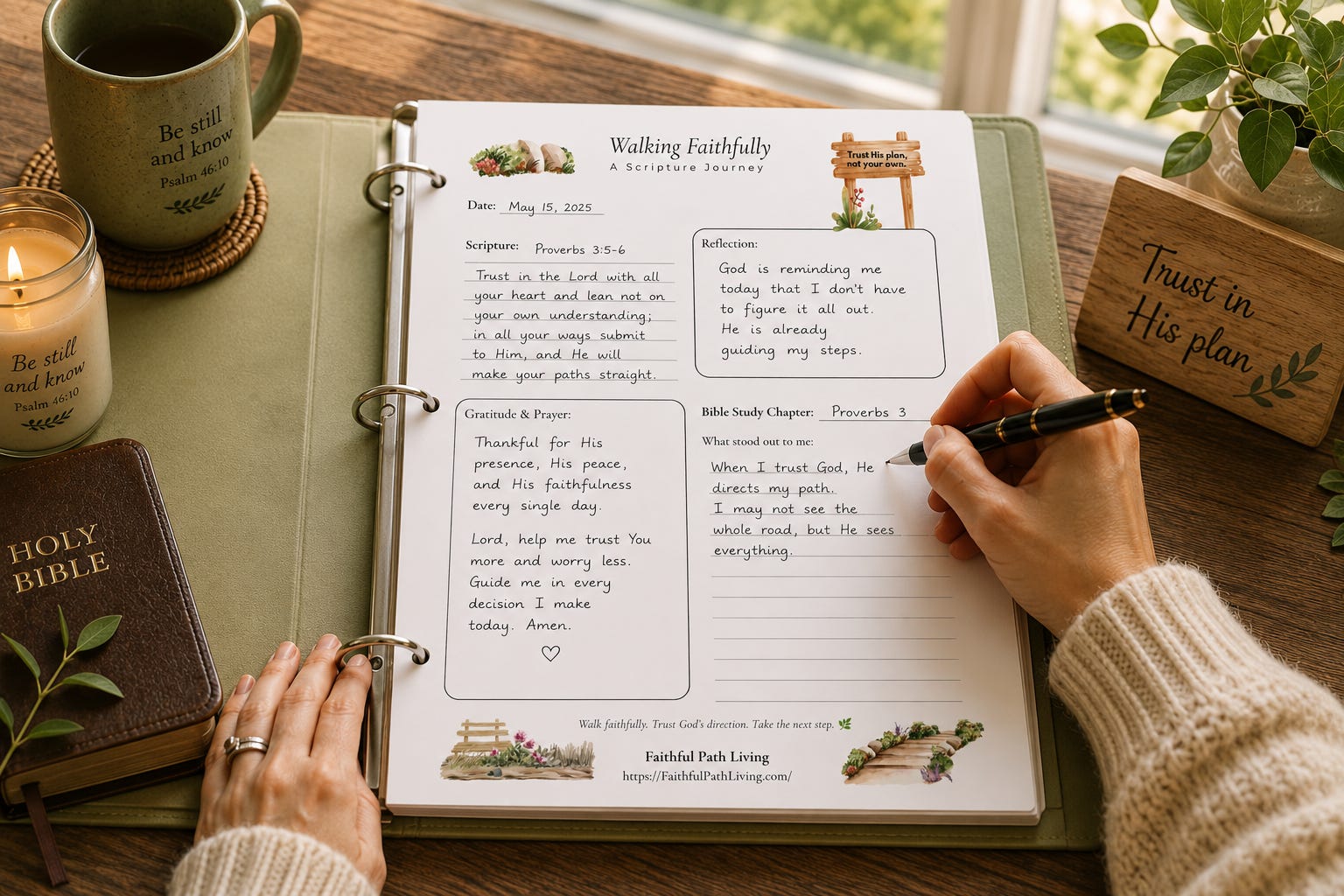
That promise applies to our finances, our families, our health, our decisions, and yes—even the way we prepare for the future.
Because ultimately, the goal is not to become people who are prepared for every possible circumstance. None of us can anticipate every challenge that may come. We cannot prepare for every possibility, control every outcome, or eliminate every uncertainty.
What we can do is faithfully steward what God has entrusted to us today.
We can seek wisdom.
We can learn.
We can prepare responsibly.
We can strengthen our relationship with the Lord.
And when uncertainty comes, we can face it with confidence—not because we have prepared perfectly, but because we trust the One who holds the future.
Biblical preparedness is not about fear. It is about faithful stewardship rooted in trust.
🌿 A Question to Consider
When you make purchasing decisions, are they usually driven by planning and wisdom, or by urgency and emotion?
Take a moment to reflect on the last few purchases you made. Were they thoughtful decisions made from a position of peace, or were they reactions to a perceived need, fear, or pressure? Scripture reminds us that wisdom often requires us to slow down long enough to seek God’s perspective before acting.
“The thoughts of the diligent tend only to plenteousness; but of every one that is hasty only to want.” — Proverbs 21:5 (KJV)
🌿 This Week’s Challenge
Spend 15–30 minutes taking inventory of one area of your home.
It could be your pantry, freezer, medicine cabinet, canning supplies, garden seeds, or even your cleaning products.
As you do, ask yourself three questions:
What do I already have?
What do I actually use?
What do I genuinely need?
Then spend a few minutes in prayer, thanking God for His provision and asking Him for wisdom to steward those resources well.
The goal is not to buy more this week.
The goal is to become more aware of what God has already provided.
“Be thou diligent to know the state of thy flocks, and look well to thy herds.” — Proverbs 27:23 (KJV)
🌿 Prepared, Not Panicked is a reader-supported series inside Faithful Path Living where we continue exploring faith-centered rhythms for rest, stewardship, nourishment, and intentional living.
Paid subscribers receive access to the full series, printable resources, deeper reflections, recipes, and future content as we continue walking this path together.
If this series has resonated with you, I’d love for you to continue the journey with me 🤍
🌿Did this stir something in you? Consider sharing it with a friend who may be asking similar questions.
🌿 Related Reflections
Preparing with Purpose: The Day Empty Grocery Shelves Changed My Thinking
Prepared, Not Panicked (Week 1): Seeking God’s Guidance Before the Storm
Preparing with Purpose: Why I Shop Differently Than I Did in 2020
Another Virus. Another Panic. Here’s Your Counter-Move (A Collaboration with Thomas M. Hamilton & Steve | Choregeo Letters)
Scripture Note: Throughout the Prepared, Not Panicked series, Scripture references will generally be quoted from the King James Version (KJV), one of the translations I use often in my personal study.
📖 Want to go deeper? Download my FREE 7-Day Scripture Reset and begin building a more consistent time with God.
I really appreciated the distinction you made between preparing from wisdom and preparing from fear. It's so easy for urgency to masquerade as wisdom, but they produce very different kinds of peace. I especially loved this line: "The famine did not create his preparation. It revealed it." What a powerful observation from Joseph's life. Thank you for reminding us that biblical stewardship isn't about trying to control the future, but about faithfully managing what God has already entrusted to us while keeping our security rooted in Him, not in our pantry. This was such a balanced and timely encouragement. 💚
Love this... Very timely piece of work woven together beautifully with the Word